
The Best Age for Kids to Start Chess: Is There a "Magic Number"?
Many parents wonder when the perfect moment is to introduce their child to chess. In this article, we explore the ideal age, signs of readiness, and tips to make it a fun experience.
Written by: Mahroo Mahdavi
Number of Views: 302
Reading time: 3 min
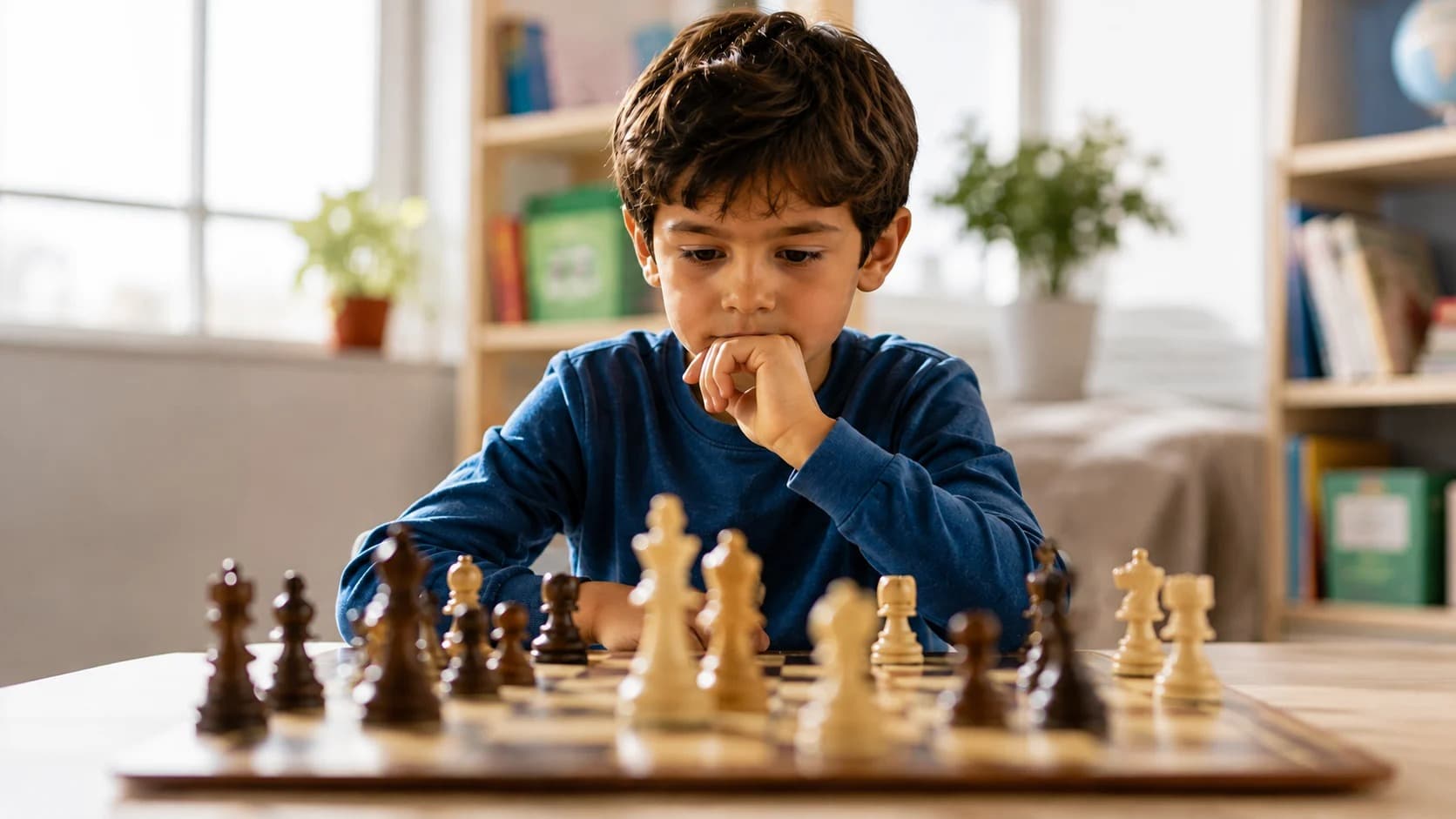
Chess, An Intellectual Adventure: When to Start the Journey?
Chess is more than just a game; it's a timeless world of strategy, creativity, and deep thinking that challenges young minds. But the question that always comes up for parents is: "When is the best time to introduce my child to chess?" The short answer is that while there's no single magic age, the sweet spot for formal chess learning often falls between 5 and 7 years old. However, foundational concepts can be introduced earlier, and a later start also offers immense benefits. It's truly about the child's individual readiness and interest. In this guide, we'll help you determine the best time for your child.
Key Takeaways
The Golden Window (Ages 5-7): At this age, children develop the focus, rule comprehension, and basic logical thinking ideal for formal chess instruction.
The Early Start (Ages 3-4): The focus should be on playful exploration and piece familiarity, not full games. The goal is to spark curiosity and fun.
The Later Start (Ages 8+): Older children often grasp complex concepts faster and have more self-driven motivation to pursue the game. It's never too late to start!
Beyond Age: A child's interest, ability to focus for at least 15 minutes, and enjoyment of puzzles are the most critical signs of readiness.
Why is 5-7 Years Old Often the Ideal Sweet Spot?
During this age range, a significant cognitive leap occurs. Children are moving beyond their toddler years and are more mentally equipped for structured activities. They can typically sustain focus for longer periods (around 15-30 minutes), which is perfect for a short chess lesson. They are beginning to grasp patterns and simple cause-and-effect relationships—the idea that "if I move my knight here, it threatens their pawn." This is essential for understanding how the pieces move and the basic rules of the game. Furthermore, children in this age group are developing socially and emotionally, allowing them to better understand concepts like patience, taking turns, and handling the basics of winning and losing.
Can You Start Even Earlier? Introducing Chess to 3-4 Year Olds
Absolutely! But the approach must be entirely different. At this age, the goal isn't to play a game of chess; it's to become familiar with its world. Treat it as a fun, exploratory activity. Keep sessions very short (5-10 minutes) and full of positive energy. You can start by simply introducing the pieces. Give them fun names or stories. "This is the Rook, a strong tower that moves in straight lines!" or "This is the tricky Knight that hops in an L-shape." You can have your child sort the pieces by shape or arrange them on the light and dark squares. The goal here is to build a positive, curious association with the game, not to teach complex rules.
What if My Child is Older? The Advantages of Starting at 8+
If your child is 8 or older and is just now showing interest, don't worry! This is a fantastic opportunity. Older children have unique advantages. They possess a much stronger capacity for abstract thought and strategic planning. As a result, they can often learn complex concepts much faster and move beyond the basics more quickly. They can move beyond basic moves and start exploring more complex strategies. Their motivation is also often more intrinsic; they are learning because they genuinely want to, which leads to deeper engagement and commitment. Remember, many great chess players started as teenagers or even later.
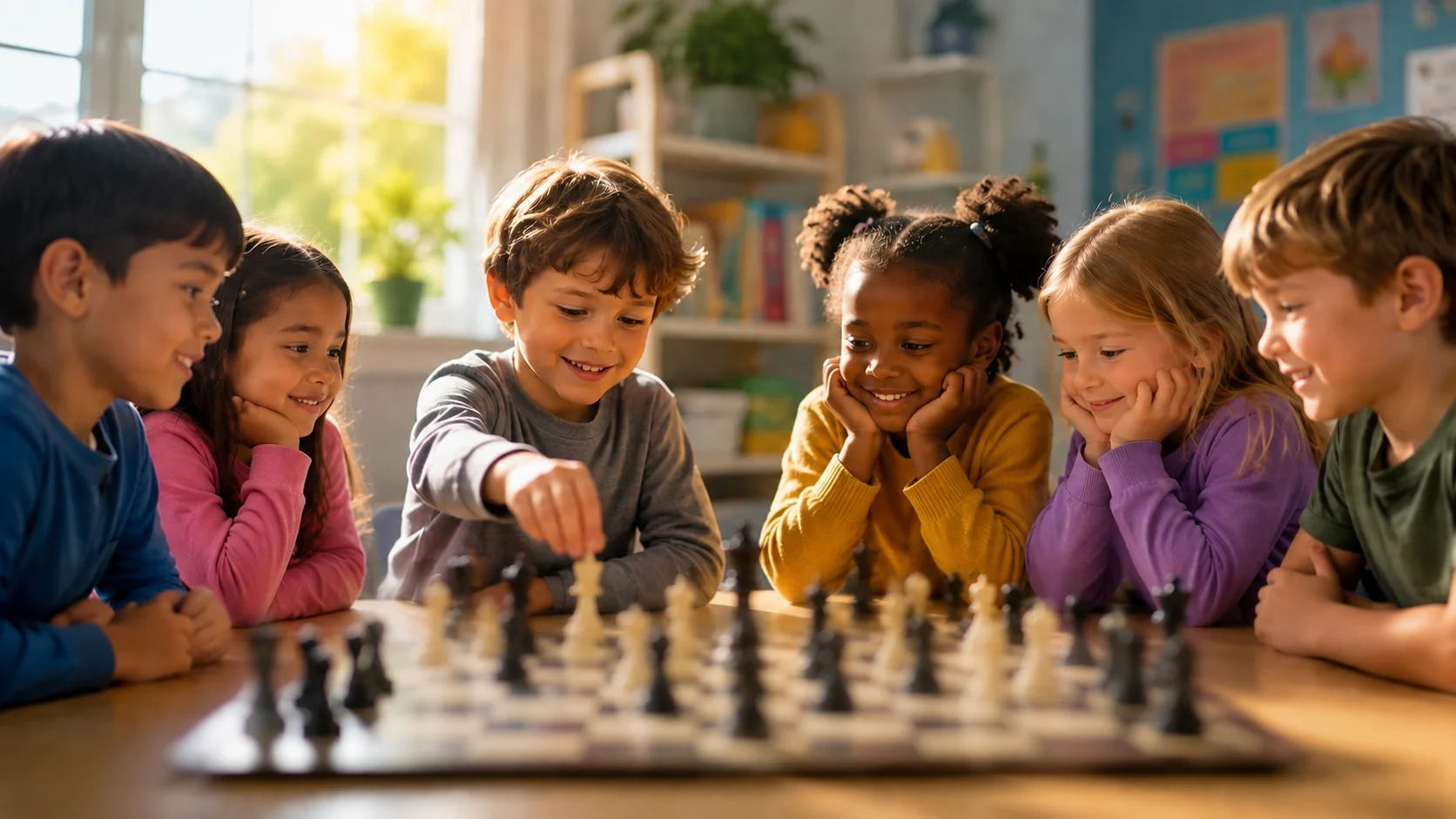
How to Keep Chess Fun and Engaging for Kids
The most important rule is to avoid making chess feel like a chore or a school lesson. Frame it as an exciting game. Instead of focusing solely on winning, praise your child's clever moves and creative thinking. Use kid-friendly resources like interactive apps or storybooks with a chess theme. Play together and be a learning partner. This turns chess into a wonderful family bonding activity. As their interest grows, you might consider a coach or a group class. Structured environments like chess clubs and tournaments can provide valuable guidance and social interaction. The expert tutors in Darsoon's online chess classes can make this journey even more exciting and professional for your child.
For more information about Best Online Chess Classes see Darsoon's website.
Frequently Asked Questions (FAQ)
Is learning chess beneficial for my child's academic performance?
Yes, numerous studies have shown that chess helps strengthen problem-solving skills, concentration, and critical thinking. These skills have a direct positive impact on performance in subjects like math and science.
What if my child loses interest after a few sessions?
Don't force it. It might be best to put the board away for a while and try again later with a new, more playful approach. The primary goal is for them to enjoy the game, not to feel pressured.
Conclusion
Ultimately, the best age to start chess is when your child is ready and eager. Instead of focusing on a specific number, pay attention to the signs of readiness in your child. Whether they are introduced to the pieces at age 5 or play their first serious game at age 10, the benefits are immense. The game teaches patience, strategic thinking, and self-confidence—skills that will serve them well throughout their entire lives. Begin your child's chess journey with fun and support, and enjoy watching their incredible mind at work.