
Mehrgan: An Ancient Celebration of Harvest, Friendship, and Enduring Traditions
As autumn paints the world in hues of gold and amber, we explore Mehrgan, an ancient Iranian festival celebrating gratitude, community, and the timeless bonds of friendship.
Written by: Mahroo Mahdavi
Number of Views: 810
Reading time: 6 min
Embracing the Spirit of Mehregan
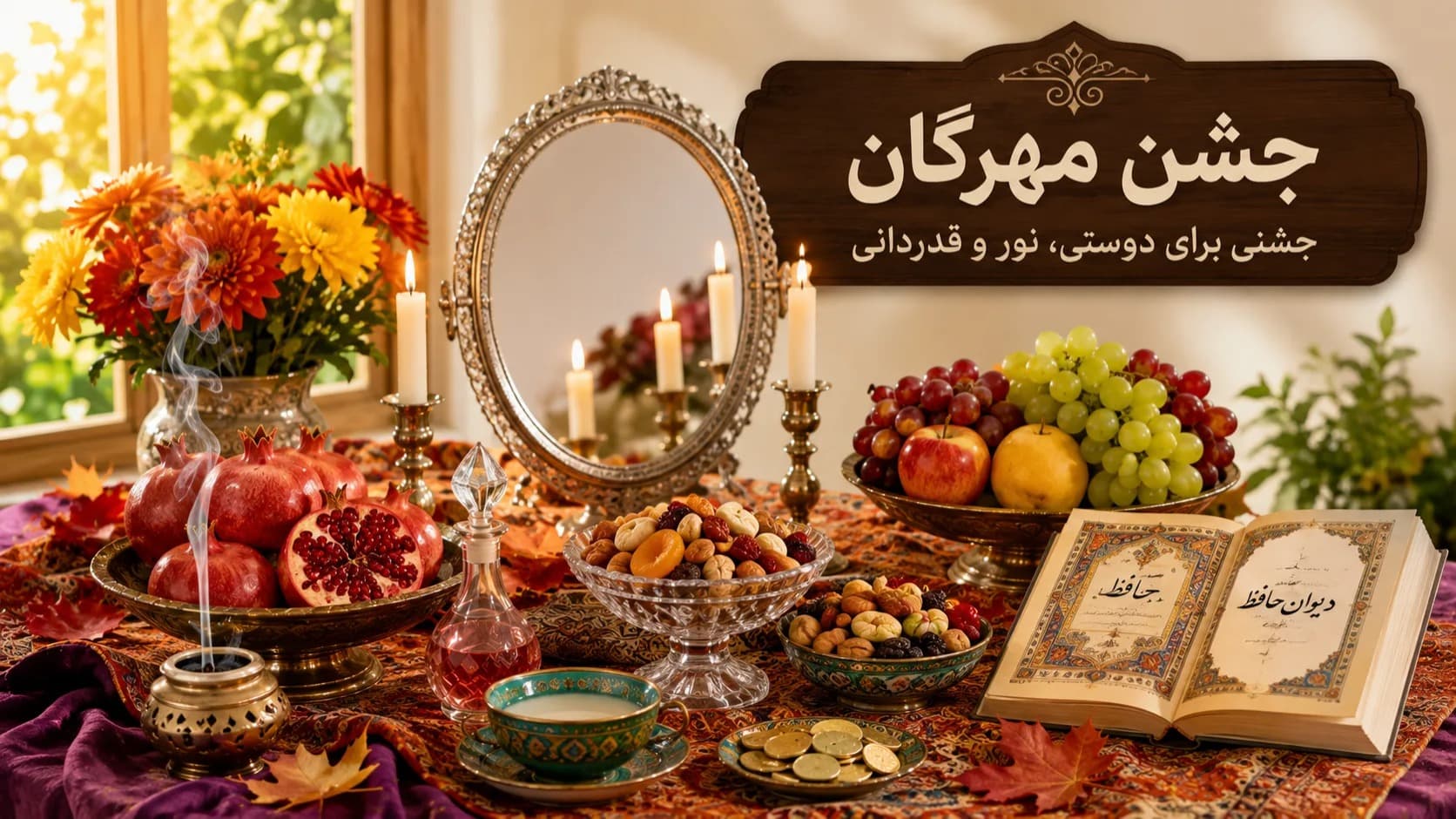
The arrival of autumn brings with it a special kind of magic—a time for cozy sweaters, warm drinks, and a deep sense of reflection and gratitude. In Persian culture, this season is marked by Mehregan, a beautiful and ancient festival that is as rich in history as the harvest it celebrates. Traditionally observed on the 16th day of Mehr, the seventh month of the Iranian calendar, Mehregan is a vibrant celebration dedicated to harvest, friendship, and the enduring spirit of light. It stands as one of the most significant Iranian festivals, second only to Nowruz (the Persian New Year). But Mehregan is more than just a historical event; its timeless message of togetherness, appreciation for nature's bounty, and cultural heritage resonates powerfully even today. Join us on a journey to discover Mehregan's fascinating history, its beautiful customs, the delicious foods that grace its tables, and how its warm spirit continues to thrive among Persian-speakers worldwide.
Key Takeaways
A Festival of Gratitude: Mehregan is an ancient Iranian festival celebrating the autumn harvest, friendship, and the victory of light over darkness.
Rooted in History: It is deeply connected to the Zoroastrian divinity Mithra (Mehr), who represents light, truth, contracts, and friendship.
The Symbolic Sofreh: A key tradition is the "Sofreh-e Mehregan," a decorative spread laden with symbolic items like mirrors, fruits, nuts, and candles, each with a special meaning.
A Feast for the Senses: The celebration involves joyful gatherings, music, poetry, gift-giving, and feasting on hearty autumn dishes and sweets.
A Modern Message: Today, Mehregan serves as a vital link to cultural heritage, reminding us of the importance of community, gratitude, and kindness.
What Are the Historical Roots of Mehregan?
Mehregan's origins stretch back thousands of years into ancient Persia, where it was a pivotal autumn equinox festival. It marked the end of the harvest season, a time for communities to give thanks for the abundance of the land before the arrival of winter. The festival is intrinsically linked to Mithra (or Mehr), an important Indo-Iranian divinity associated with light, truth, love, and friendship. This connection elevates Mehregan from a simple harvest festival to a profound celebration of core human values.
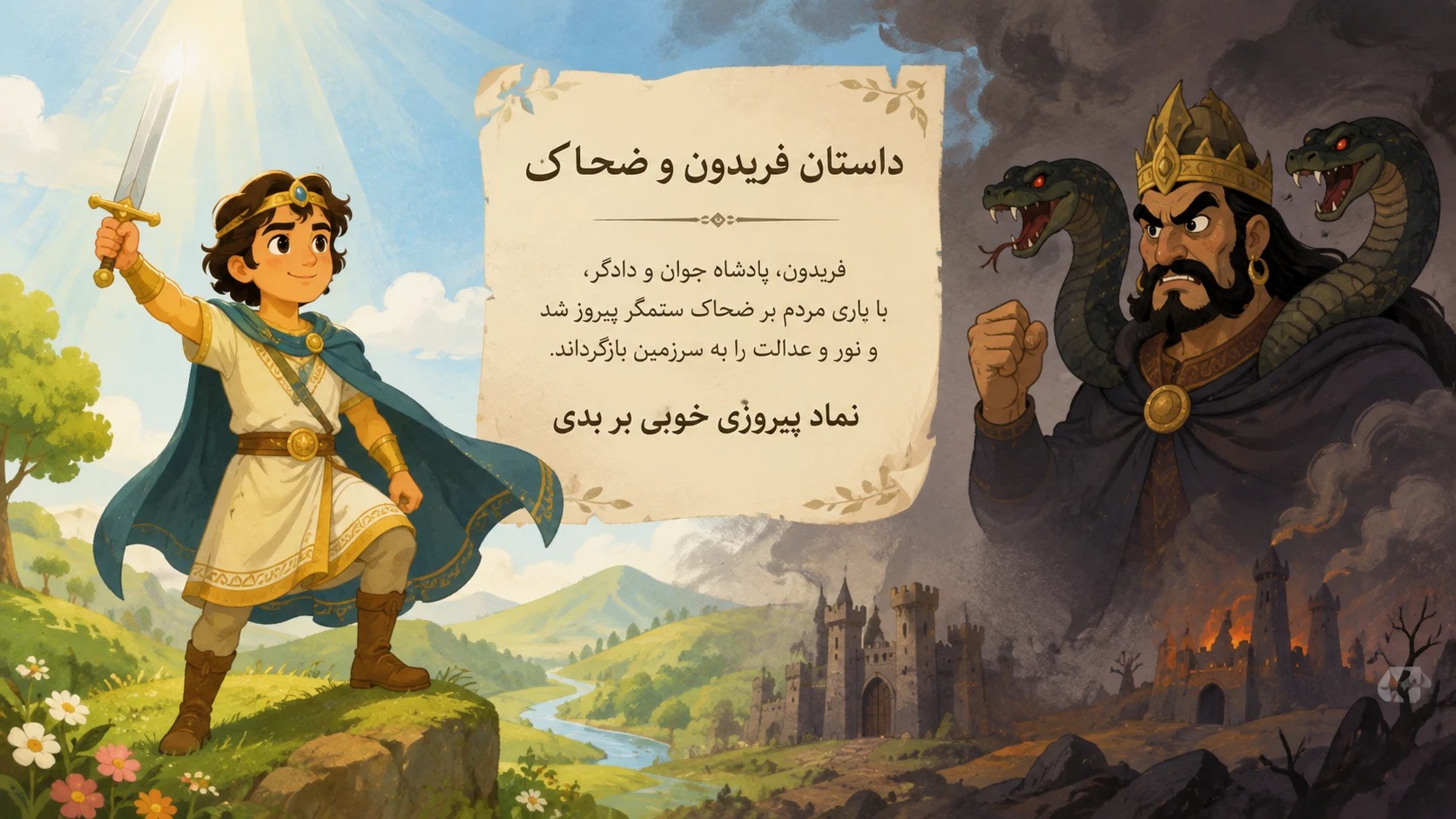
Over centuries, Mehregan evolved to symbolize not just gratitude for nature's gifts but also the warmth of human connection and the triumph of good over evil. One popular legend ties the festival to the victory of the mythical hero Fereydun over the evil tyrant Zahhak, a story that reinforces the themes of justice and liberation. During the Achaemenid and Sasanian empires, Mehregan was celebrated with immense pageantry, where people would bring gifts to the king, and it was a time for collecting taxes and strengthening communal bonds. This rich history has cemented Mehregan's place as a cornerstone of Iranian cultural identity.
How Is Mehregan Celebrated? Unpacking the Customs and Traditions
The heart of Mehregan lies in its beautiful and symbolic traditions, which bring families and communities together in a spirit of joy and renewal. The celebration is a multi-faceted experience, from preparing the home to the joyful rituals shared among loved ones.
Preparing for the Festivities: Setting the Stage for Joy
Much like the preparations for Nowruz, getting ready for Mehregan involves a sense of renewal. Families often engage in a thorough house cleaning to welcome positive energy and new beginnings. Donning new clothes, often in shades of purple, is a common tradition symbolizing purity and joy for the celebration. This period is also filled with the bustle of gathering ingredients for special meals and selecting thoughtful gifts to exchange with family and friends, reinforcing the festival's emphasis on sharing and generosity.
The Iconic "Sofreh-e Mehregan": A Table of Symbolism
The centerpiece of any Mehregan celebration is the "Sofreh-e Mehregan," an elegantly arranged spread that embodies the festival's essence. Each item placed on the sofreh holds deep symbolic meaning, creating a rich tapestry of cultural values and wishes for the future.
Mirror: Representing reflection, clarity, and self-awareness.
Rosewater: Symbolizing purity, freshness, and the cleansing of the spirit.
Sweets and Sprinkled Sugar: For a sweet life, good fortune, and happiness.
Nuts and Dried Fruits: Signifying abundance, prosperity, and the bounty of the harvest.
Fresh Autumn Fruits: Pomegranates, apples, and grapes are staples, celebrating nature's gifts and fertility.
Wild Rue (Esfand): Burned as incense to purify the space and ward off negativity.
Water: Representing life, vitality, and clarity.
Coins: For wealth, prosperity, and good luck in the year ahead.
A Holy or Poetry Book: A copy of the Avesta, Divan-e Hafez, or Shahnameh connects the celebration to spiritual and cultural heritage.
Candles or an Oil Lamp: Illuminating the spread to symbolize light, warmth, and hope, honoring Mithra.
Rituals and Activities: Bringing Mehregan to Life
On the day of Mehregan, families and friends gather to celebrate with a series of heartwarming rituals. Guests are often welcomed with a sprinkle of rosewater, a gesture of hospitality and purity. The burning of Esfand fills the air with its distinct aroma, meant to bring good fortune. Gatherings are filled with the sounds of traditional music, lively dancing, and the recitation of poetry from masters like Hafez and Ferdowsi, connecting the present generation with their rich literary past. Gift-giving is another cherished practice, an expression of love and appreciation among family and friends. The celebration culminates in a joyous feast, where everyone shares the specially prepared meals and the bounty of the Sofreh, strengthening communal bonds and creating lasting memories.
What Foods Are Eaten During Mehregan?
No celebration is complete without a feast, and Mehregan offers a delicious array of traditional foods that celebrate the autumn harvest. The culinary delights are hearty, flavorful, and deeply symbolic of the season's abundance.
Hearty autumn dishes are central to the Mehregan meal. Various types of Ash (a thick Iranian soup) and rich stews are popular choices, providing warmth and comfort as the weather cools. One classic dish often associated with special occasions like Mehregan is Khoresht-e Fesenjan, a luxurious stew made with walnuts, pomegranate molasses, and chicken or duck, perfectly capturing the sweet and tart flavors of fall. Other festive dishes might include stuffed grape leaves (Dolmeh) or hearty meatball dishes like Koofteh Tabrizi. The table is also laden with an abundance of fresh seasonal fruits, nuts, and seeds, which are enjoyed as snacks and serve as reminders of the successful harvest. To round out the feast, a variety of traditional sweets, pastries, and Halva are served, adding a final touch of sweetness to the joyful occasion.
Why Does Mehregan Still Matter Today?
In our fast-paced modern world, ancient traditions like Mehregan offer a powerful anchor to our cultural roots and a timeless message that is more relevant than ever. The festival's core values of celebrating friendship and expressing gratitude encourage us to pause and appreciate the blessings in our lives—both from nature and from our relationships with others. For Persian-speakers around the globe, celebrating Mehregan is a way to connect with their rich heritage and pass these beautiful traditions on to future generations. It's a vibrant thread that connects the past to the present, fostering a sense of identity and community. Exploring cultural traditions can be a wonderful journey of discovery, much like diving into a new subject like Art or Calligraphy, which also carry deep cultural significance. If you're inspired to explore more about Persian culture or any other subject, remember that learning is a lifelong celebration. Consider booking a free introductory meeting with one of Darsoon's Persian tutors to start your own journey of discovery.
This year, as in previous years, Darsoon once again hosted an online family-friendly program to introduce children and parents to different parts of this beautiful celebration—from the story of Fereydun and the Mehregan table to a fun, creative, and delicious activity.
For watching Darsoon’s Mehregan Celebration, visit Darsoon's Youtube.
Frequently Asked Questions (FAQ)
What is the main meaning of Mehregan?
Mehregan is an ancient Persian festival dedicated to Mithra (Mehr), the divinity of light, friendship, love, and contracts. It celebrates the autumn harvest, the spirit of gratitude, and the triumph of light and justice over darkness.
When is Mehregan celebrated?
Traditionally, Mehregan is celebrated on the 16th day of Mehr, the seventh month of the Iranian solar calendar, which usually corresponds to early October in the Gregorian calendar.
What is placed on the Sofreh-e Mehregan?
The Mehregan spread typically includes a mirror, candles, rosewater, wild rue (esfand), autumn fruits like pomegranates and apples, a variety of nuts and dried fruits, sweets, coins, and a book of poetry such as the Divan-e Hafez.
Conclusion: Keeping the Light of Mehregan Alive
Mehregan is far more than just an autumn festival; it is a legacy of light, love, and gratitude that has illuminated Persian culture for millennia. From its ancient roots celebrating the harvest to its modern-day observance as a time for friendship and community, Mehregan's spirit is one of joy, generosity, and connection. By embracing its customs—setting the Sofreh, sharing a meal, reciting poetry, and simply being together—we keep this beautiful tradition alive. Let's carry the warmth and light of Mehregan with us, appreciating the bounty of our lives and cherishing the bonds we share with one another. If you're inspired to explore more about Persian culture or any other subject, remember that learning is a lifelong celebration.