
Benefits of chess for children
Chess isn't just a board game; it's a powerful tool for developing young minds, especially when it comes to strengthening children's memory. Let's explore its amazing benefits.
Written by: Mahroo Mahdavi
Number of Views: 231
Reading time: 4 min
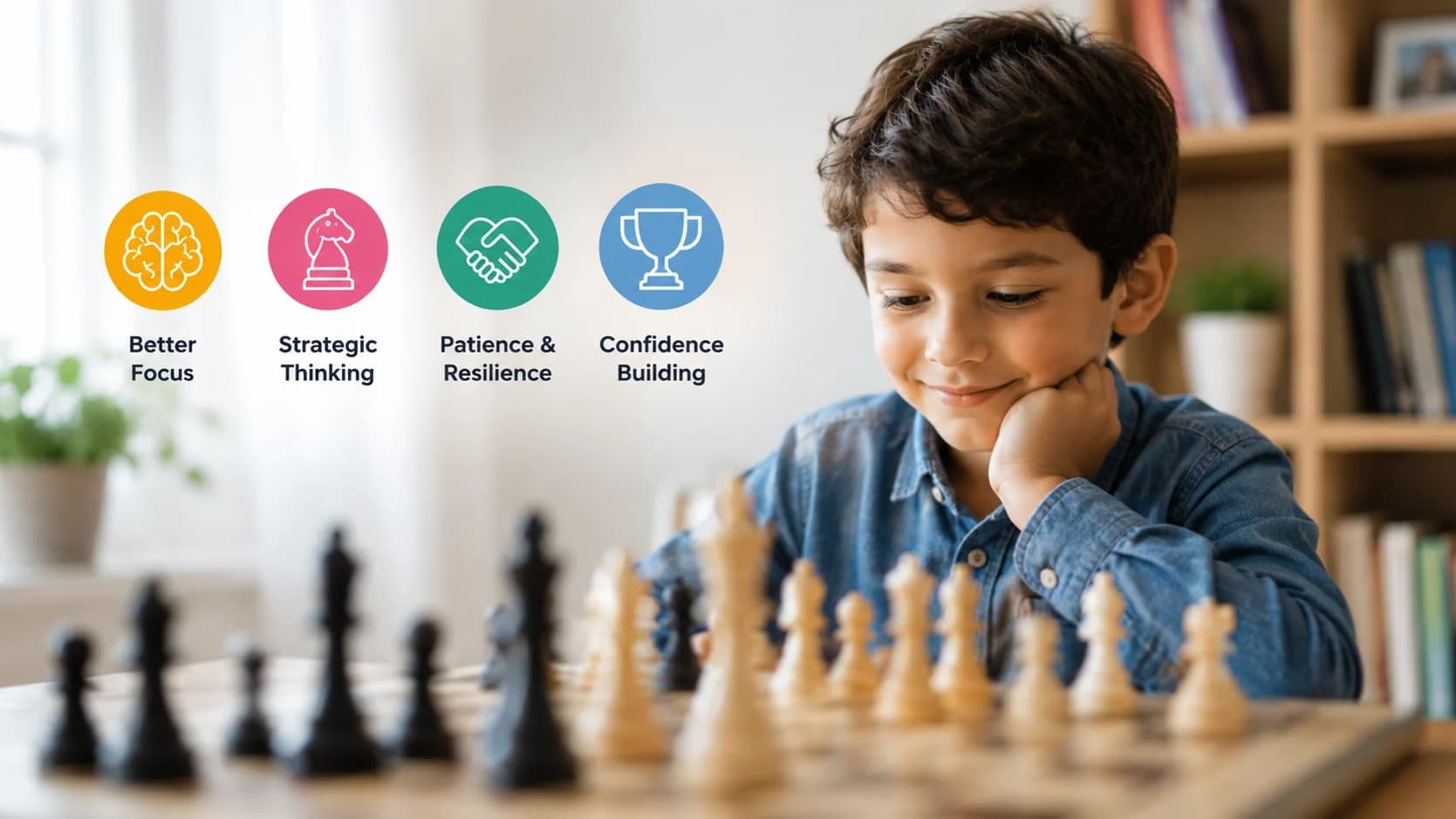
More Than a Game: Unlocking Your Child's Potential with Chess
Are you looking for a game that can make your child smarter, sharper, and more focused? The answer is simple: chess! This strategic game is far more than just a pastime; it's a complete workout for the brain that incredibly boosts children's cognitive skills, emotional intelligence, and even social abilities. In this article, we'll explore the incredible benefits of chess for children, from boosting memory to building character, and show you how easy it is to get started on this rewarding journey.
Key Takeaways
Memory Enhancement: Chess engages both short-term and long-term memory, helping children recall patterns and strategies.
Improved Concentration: The nature of the game demands deep focus, helping children extend their attention spans.
Problem-Solving Skills: Every move is a new problem, encouraging kids to think critically and find the best solution.
Patience and Discipline: Children learn to think before they act and to wait for the right moment to make a strategic move.
Emotional Growth: Chess teaches children how to handle wins and losses, fostering resilience and self-confidence.
How Does Chess Specifically Boost Children's Memory?
A strong memory is the cornerstone of learning and academic success. Chess acts like a gym for the brain, directly challenging the grey cells responsible for memory. This happens in several ways. Firstly, chess simultaneously activates both hemispheres of the brain. According to experts, this simultaneous activity creates 'complete brain gymnastics' by engaging multiple cognitive functions at once. This helps strengthen memory and overall mental agility.
During a game, a child's working (or short-term) memory is heavily engaged. They must remember the rules for each piece, track the positions of all pieces on the board, and anticipate the opponent's potential moves. At the same time, long-term memory is also developing. As children play more, they learn to recognize opening patterns, common tactics, and endgame strategies, recalling them in future games. This process trains the brain to encode, store, and retrieve information quickly and efficiently.
Beyond Memory: A Full Spectrum of Cognitive Superpowers
The benefits of chess don't stop at memory. The game is a complete toolkit for developing mental skills that apply to every aspect of a child's life.
Problem-Solving Skills: Every chess game is a series of puzzles. Children learn to analyze complex situations, break down big problems into smaller steps, and find the best solution among various options.
Critical Thinking & Logic: Chess teaches cause and effect. Children learn to evaluate the consequences of each move, using logical reasoning to make smarter decisions.
Planning & Foresight: A good chess player always thinks several moves ahead. This skill helps children understand the importance of long-term strategy over short-term gains and avoid impulsive decisions.
Creativity & Imagination: Contrary to popular belief, chess isn't just a game of logic. The best players often surprise their opponents with unexpected, creative moves. The game allows children to visualize different scenarios and invent unique strategies.
Growing Great Kids: Emotional and Social Advantages of Chess
Chess doesn't just build minds; it builds character. The game is a training ground for crucial life skills. In chess, children learn to be patient and wait for the right opportunity. They practice self-discipline, learning to think carefully before acting. One of the greatest lessons from chess is how to deal with loss. Children understand that losing is a part of the learning process and that every defeat is a chance to improve. This experience builds resilience and sportsmanship. With every small victory and solved puzzle on the board, their confidence and self-esteem grow.
How to Start Your Child's Exciting Chess Journey
Starting chess can be a fun and positive experience. But what's the best age to begin? Experts suggest that children can start learning the basic rules of chess around 5 to 7years old. At this age, the focus should be on fun and exploration, not intense competition. If your child shows interest in games and can focus for short periods, they're ready to start.
For more information about the best age to start chess, you can read The Best Age for Kids to Start Chess.
Use simple and engaging methods for teaching. Introduce one piece at a time. Use stories and analogies to explain how the pieces move—for example, the knight moves like an "L" or the bishop moves diagonally. Keep games short initially and use simple puzzles to maintain their interest. Today, there are many online resources, apps, and interactive websites designed to teach chess to kids. You can also enlist the help of expert coaches.
At Darsoon, our experienced chess tutors use creative, age-appropriate methods to turn this brainy game into a delightful experience for your child.
Frequently Asked Questions (FAQ)
Does chess really make kids smarter?
Yes, research shows that chess significantly aids in cognitive development by strengthening skills like memory, problem-solving, critical thinking, and concentration. These skills have a direct impact on academic performance and life success.
Isn't chess boring for children?
Not if it's introduced correctly! The key is to make it fun with engaging methods, short games, and interesting puzzles. The focus should be on enjoying the learning process, not just on winning.
Is it necessary for kids to compete in chess tournaments?
It's not necessary, but it can be very beneficial. Competitions motivate children to practice, give them a chance to test their skills, and help them learn from their experiences. It's important to emphasize growth and effort over simply winning.
Conclusion
Chess is a valuable gift you can give your child. It is more than a simple hobby; it's an investment in their future. Chess not only profoundly strengthens a child's memory and cognitive abilities but also teaches them important lessons about patience, discipline, resilience, and strategic thinking. Take the first step today and introduce your child to the wonderful world of chess. Watch them flourish into a more confident, focused, and capable individual.