
What Is a FIDE Rating? A Parent's Guide to Chess Ratings
Your child plays chess and the coach keeps mentioning a "FIDE rating"? This guide explains in plain language what a FIDE rating is, where the world and Iranian rankings stand today, and how kids in Canada and the US earn their first FIDE rating. Figures are from FIDE's official October 2026 list.
Written by: Mahroo Mahdavi
Number of Views: 135
Reading time: 5 min
What Is a FIDE Rating?
A FIDE rating is a number that shows how strong a chess player is compared with other players. FIDE is the International Chess Federation, and it calculates this number with the Elo system.
The logic is simple:
Beat a stronger opponent and you gain a lot of points.
Beat a weaker opponent and you gain only a few.
Losing to a weaker opponent costs the most.
FIDE keeps three separate ratings: Classical (Standard), Rapid and Blitz. When people say "FIDE rating" without saying which, they mean the classical one. FIDE publishes a new list every month, and the rankings for players, women, juniors and countries all come from that list.
FIDE rating vs. Chess.com and Lichess ratings
Online ratings only apply to that website and are calculated with its own formula and player pool. That is why a child's online rating usually doesn't match their FIDE rating. A FIDE rating comes only from over-the-board games in official tournaments, and it is recognised worldwide.
What Do the Rating Numbers Mean?
The lowest rating FIDE records is 1400, and the world's best players are above 2700. This table gives the big picture:
1400–1600: Approximate level: New to official tournaments
1600–2000: Approximate level: Experienced club player
2000–2200: Approximate level: Strong player, close to titles
2200+: Approximate level: Candidate Master (CM)
2300+: Approximate level: FIDE Master (FM)
2400+: Approximate level: International Master (IM)
2500+: Approximate level: Grandmaster (GM)
2700+: Approximate level: World elite
One important note: for the IM and GM titles, reaching the number isn't enough. A player also needs "norms", meaning very strong results in several tough tournaments. For a child, simply having any rating on the FIDE list means the first step is done.
World Chess Rankings Right Now
Magnus Carlsen is still world number one with 2823. These are the top ten on the October 2026 list:
1: Player: Magnus Carlsen · Federation: Norway · Rating: 2823
2: Player: Hikaru Nakamura · Federation: USA · Rating: 2792
3: Player: Fabiano Caruana · Federation: USA · Rating: 2784
4: Player: Javokhir Sindarov · Federation: Uzbekistan · Rating: 2782
5: Player: Nodirbek Abdusattorov · Federation: Uzbekistan · Rating: 2780
6: Player: Wesley So · Federation: USA · Rating: 2770
7: Player: R Praggnanandhaa · Federation: India · Rating: 2763
8: Player: Vincent Keymer · Federation: Germany · Rating: 2761
9: Player: Wei Yi · Federation: China · Rating: 2758
10: Player: Alireza Firouzja · Federation: France · Rating: 2757
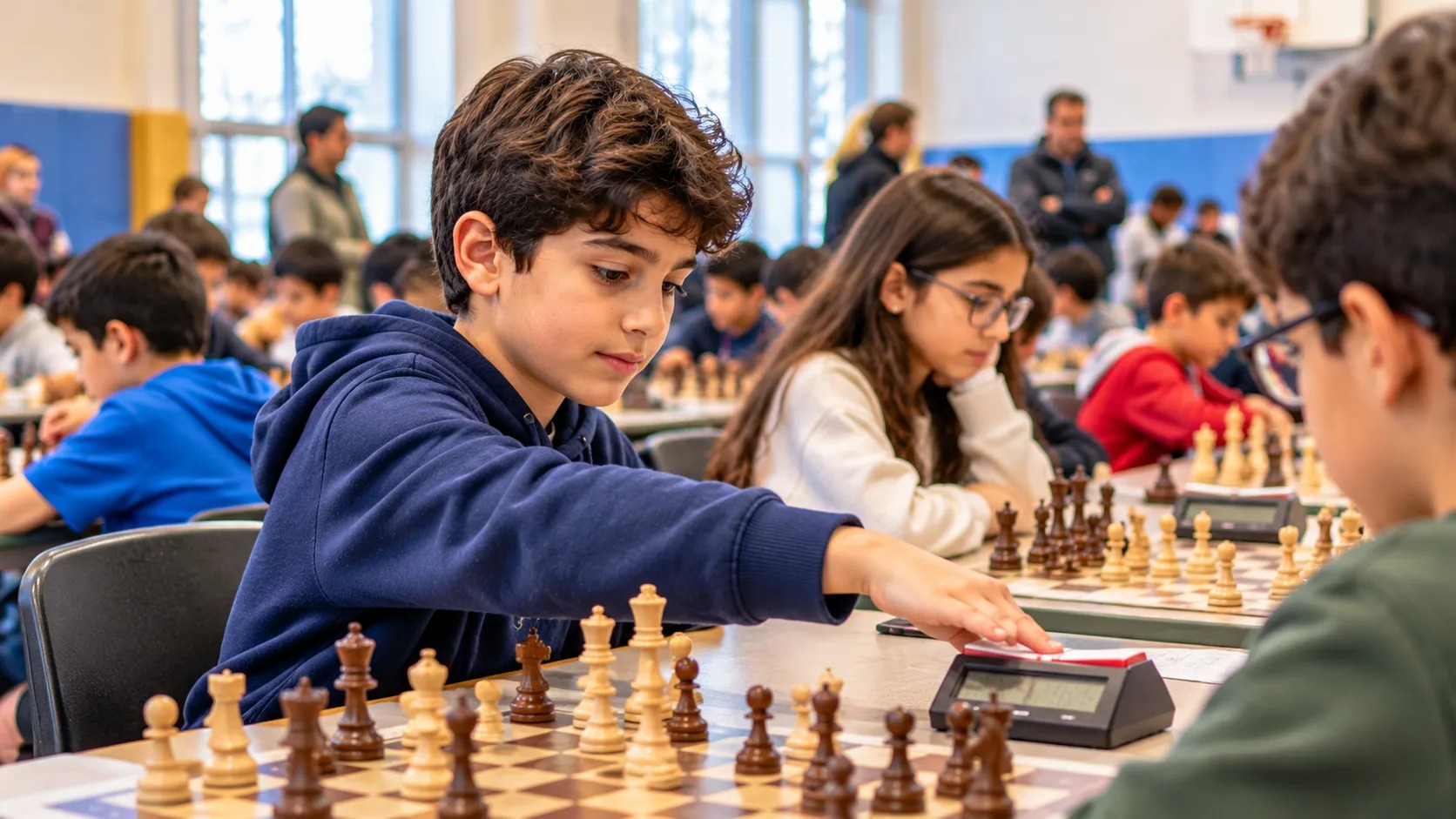
What's new?
The Chess Olympiad: The October list was shaped mostly by the 46th Chess Olympiad. Abdusattorov won individual gold on board one and returned to the top five.
Young faces: Yağız Kaan Erdoğmuş of Türkiye entered the world top 20 for the first time.
A new record: England's Bodhana Sivanandan became the youngest Woman Grandmaster in history at age 11, a reminder that the rating journey can start very young.
Country rankings: By the average of their top ten players, the USA leads with 2723, followed by India, China and Russia.
Women's list: China's Hou Yifan is the world's top woman with 2596.
The new rule nicknamed the "Hikaru rule"
For a while, Nakamura played events against much weaker opponents and his rating went up. An older rule capped the rating gap used in the calculation. Since October 2025, FIDE has removed that cap for players rated above 2650, so the full gap now counts. FIDE's CEO confirmed that Nakamura triggered the change. The rule has no effect on regular players or kids.
Top Iranian Chess Players and Their Ratings
Amin Tabatabaei, rated 2728 and ranked 18th in the world, is Iran's highest-rated player. A few other names worth knowing:
Parham Maghsoodloo: a former World Junior Champion and one of Iran's two 2700-club players in 2026.
Sina Movahed and Bardiya Daneshvar: two Iranian teenagers who were among the world's top 20 juniors this year, rated around 2600.
Melika Mohammadi and Mobina Alinasab: among the biggest rating gainers worldwide on the October list. Mobina gained 47 points to reach 2364; Melika gained 36, reached 2378 and is now 15th among the world's girls under 20.
Alireza Firouzja is also of Iranian origin and is world number ten, but he has played for France for several years, so he is not on Iran's list. To see all Iranian players, set the country to Iran on the FIDE ratings website.
The Highest Chess Rating in History
The highest chess rating ever is 2882, reached by Magnus Carlsen in May 2014, and no one has beaten it yet. A few other records stand out:
Garry Kasparov: held the record for years with 2851, until Carlsen broke it.
Bobby Fischer: was the first number one on the official FIDE list, in 1971.
Judit Polgár: holds the highest rating ever reached by a woman, 2735.
For perspective, only about 20 players in the whole world are rated above 2720 today. That level isn't the goal for every child, but these stories show how much steady practice from a young age can achieve.
FIDE Ratings in Canada and the US: How Does My Child Get One?
In Canada and the US, kids usually get a national rating first and a FIDE rating later. Don't mix the two up:
Canada: the Chess Federation of Canada (CFC) has its own rating, and the number usually differs from the FIDE rating.
USA: the US Chess rating is also separate and uses its own formula.
FIDE: comes only from tournaments registered with FIDE. Many larger events are rated for both at the same time.
Step by step to a first FIDE rating
Join your national federation (CFC in Canada, US Chess in the US).
Get a FIDE ID. Usually the federation or the organiser of the first FIDE-rated event registers it.
Enter a tournament whose registration page says "FIDE-rated".
Play at least 5 games against FIDE-rated opponents. These 5 games can be spread over several tournaments within a period of up to 26 months.
Score at least half a point (one draw) against those rated opponents.
The calculated performance must be at least 1400. If it is lower, the player stays unrated for now.
In March 2024 the minimum FIDE rating rose from 1000 to 1400. So a child who has only just learned chess may not get a rating after their first tournament. That is normal and not a failure.
Good news for busy families: from 2026, tournaments played at 45 minutes + 30 seconds can also count toward the classical rating. For now this only applies to major events that FIDE approves. Before registering, check the tournament details on chess.ca or the US Chess website.
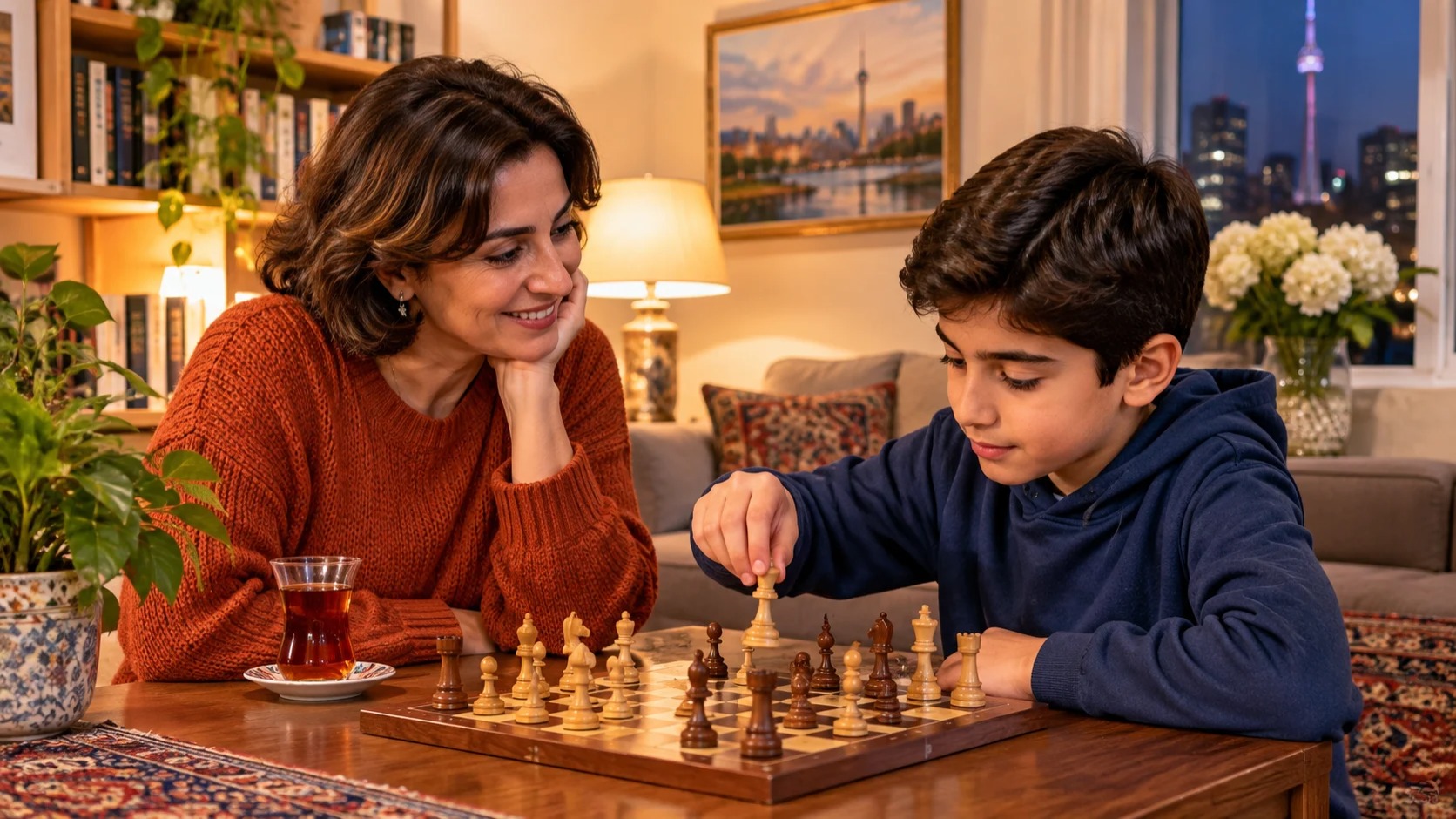
Common Questions from Parents
What is a good rating for a child?
There is no fixed number. For a child new to tournaments, getting onto the FIDE list at all (1400 or above) is a real achievement. More important than the number is how it grows over several months.
How long does it take for a FIDE rating to go up?
It depends on how many tournaments they play and how good their practice is. Kids usually improve faster than adults, because the rating formula gives young players bigger swings.
What age can kids start?
There is no age limit for a FIDE rating. If you're not sure whether now is the right time, read our article on the best age for chess.
Do online games count toward a FIDE rating?
No. Games on Chess.com and Lichess only change that site's rating. But regular online practice helps a lot with results in over-the-board tournaments.
Conclusion
The FIDE rating is the common language of chess players everywhere, from Carlsen at 2823 to a child entering the list for the first time at 1400. For your child in Canada or the US, the path is clear: join the federation, play FIDE-rated tournaments and practise steadily in between. If you'd like to meet some Iranian role models, see our article on the best Iranian chess players.
What usually helps most is focused practice with a coach who knows your child's level and prepares them for tournaments. With Darsoon's online chess classes you can find a teacher who fits your child's age, level and schedule, and start with a free intro session.
